The Magic of Colors: Exploring the Art of Dyeing Pigments
Category : | Sub Category : Posted on 2023-10-30 21:24:53
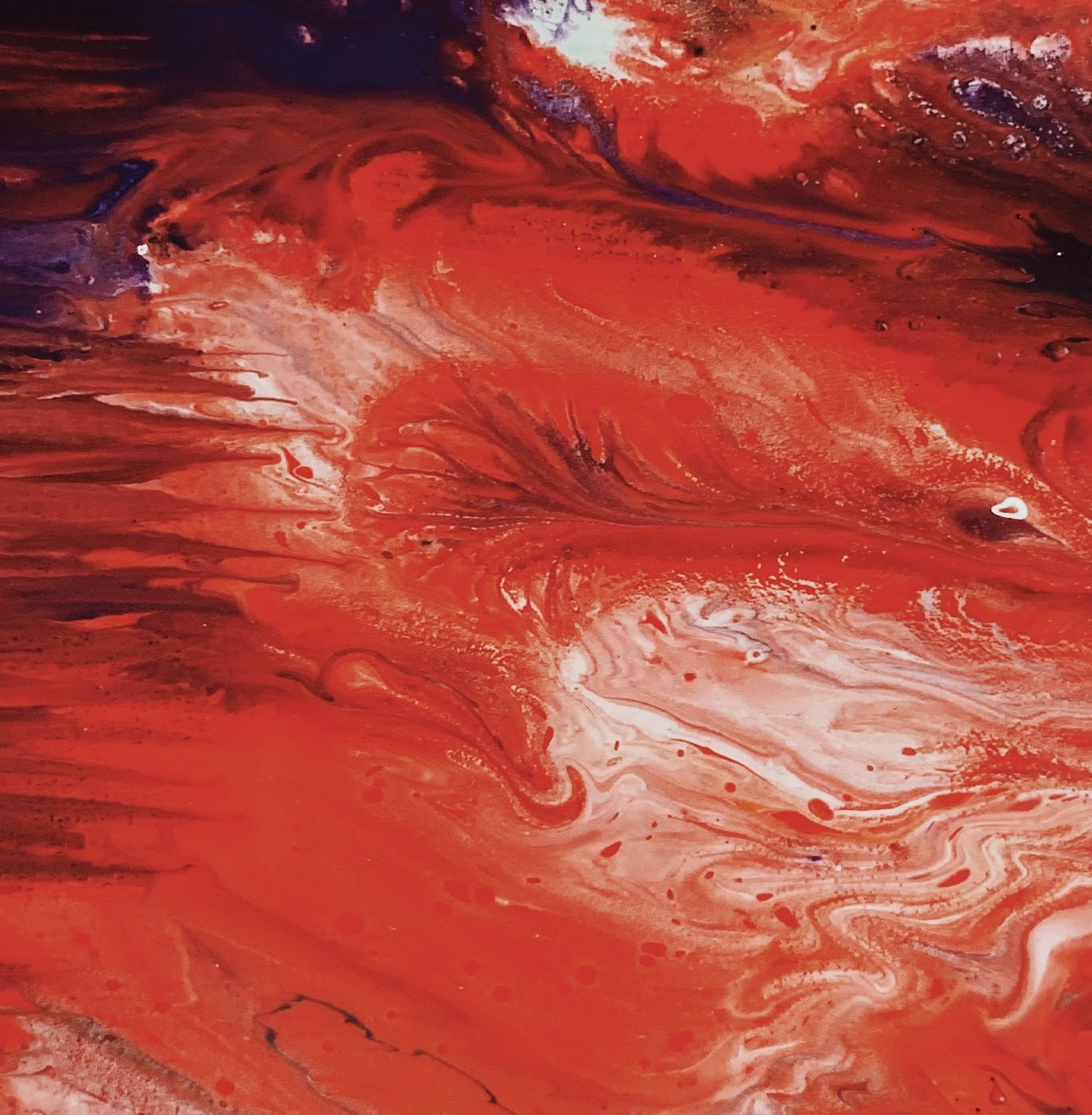
Introduction: Colors have the incredible ability to not only enhance our daily lives but also ignite our emotions and creativity. Whether it's the vibrant hues in a painting or the rich tones of a fabric, colors play a profound role in our visual experience. In the world of pigments, the art of dyeing is a fascinating process that has been practiced for centuries. In this blog post, we will take a deep dive into the world of dyeing pigments and discover the magic behind this timeless art form. The History of Dyeing Pigments: Dyeing pigments have a rich and colorful history that dates back to ancient civilizations. From the Egyptians to the Romans, dyeing techniques were treasured secrets passed down through generations. In early times, natural sources such as plants, minerals, and even insects were used to extract pigments used for dyeing. The discovery of synthetic dyes in the 19th century revolutionized the field, offering a wider range of colors and making dyeing more accessible. The Science Behind Dyeing: Dyeing pigments is a fascinating blend of art and science. The process involves the absorption of dyes into a substrate, be it fabric, paper, or any other material, resulting in a permanent color change. The dye molecules attach themselves to the substrate, forming strong chemical bonds, which ensure the color remains vibrant and long-lasting. Understanding the science behind dyeing is crucial in achieving the desired results, as factors like temperature, pH levels, and dye concentrations can greatly impact the outcome. Types of Dyes and Techniques: There are several types of dyes used in the art of pigment dyeing, each with its unique properties and applications. Let's explore a few popular types: 1. Natural Dyes: Derived from plant materials, natural dyes offer a range of earthy and muted shades. They are celebrated for their organic, eco-friendly properties, making them a popular choice for those seeking sustainable alternatives. 2. Synthetic Dyes: Synthetic dyes are man-made and offer an extensive range of vibrant and bold colors. These dyes are often used in fashion and textile industries due to their ability to produce consistent and bright results. 3. Acid Dyes: Acid dyes are primarily used for protein fibers such as wool and silk. The name 'acid dye' refers to the use of an acid during the dyeing process to help fix the color onto the fibers. 4. Direct Dyes: Direct dyes are versatile and can be used on a wide range of substrates, including cotton, rayon, and paper. They are known for their excellent lightfastness and are often used in applications that require durability. 5. Tie-Dye and Shibori: Tie-dye and shibori are popular dyeing techniques that involve twisting, folding, or tying fabric to create unique patterns before dyeing. These techniques provide endless creative possibilities and have become iconic symbols of self-expression. The Artistic Expression of Dyeing Pigments: Dyeing pigments is not merely a technical process; it is also a form of artistic expression. Artists and designers leverage the vast array of color possibilities to create stunning and visually intriguing pieces. From creating intricate patterns and gradients to experimenting with color combinations, dyeing pigments allow for endless creativity and innovation. Conclusion: Dyeing pigments is a beautiful blend of science, art, and history. Through the ages, the magic of colors has continued to captivate and inspire us. Whether it's the ancient secrets of natural dyes or the vibrant possibilities of synthetic dyes, dyeing pigments offer an endless canvas for artistic expression. So, the next time you admire a stunning fabric or marvel at a vivid painting, remember the fascinating process of dyeing pigments that brought those colors to life. Want to gain insights? Start with http://www.colorsshow.com
Leave a Comment:
SEARCH
Recent News
- Zurich, Switzerland is a vibrant city known for its rich cultural scene and diverse music offerings. One unique aspect of Zurich's music scene is the presence of Sudanese music, which has found a home in the city's melting pot of cultures.
- Visiting Zurich, Switzerland, can be an enriching experience for music lovers from all corners of the world. While the city may not be the first place that comes to mind when thinking about South African music, Zurich's diverse music scene offers a glimpse into the vibrant sounds of this African nation.
- Zurich, Switzerland is a vibrant city known for its stunning architecture, picturesque landscapes, and rich culture. One aspect of Zurich's cultural scene that often goes under the radar is its regional music. The city and its surrounding areas are home to a diverse range of musical styles, reflecting the multiculturalism and artistic diversity of the region.
- Zurich, Switzerland: Discovering the Vibrant Norwegian Music Scene
- Zurich, Switzerland: A Hub for Estonian Music
- YouTube Content Creation and Translation: Bringing Sudanese Music to a Global Audience
- YouTube has become a powerful platform for content creators to share their work with a global audience. One area that has seen significant growth in recent years is the creation and translation of South African music content on the platform. South Africa has a rich and diverse musical landscape, ranging from traditional to modern genres, and YouTube has provided a space for South African artists to showcase their talent to the world.
- YouTube has become a popular platform for content creators to showcase their talents to a global audience. One area of YouTube content creation that has been gaining traction is regional music. With the ability to reach viewers all around the world, YouTube offers a unique opportunity for musicians and artists to share their culture and music with a diverse audience.
READ MORE
11 months ago Category :

Zurich, Switzerland is a vibrant city known for its rich cultural scene and diverse music offerings. One unique aspect of Zurich's music scene is the presence of Sudanese music, which has found a home in the city's melting pot of cultures.
Read More →11 months ago Category :

Visiting Zurich, Switzerland, can be an enriching experience for music lovers from all corners of the world. While the city may not be the first place that comes to mind when thinking about South African music, Zurich's diverse music scene offers a glimpse into the vibrant sounds of this African nation.
Read More →11 months ago Category :

Zurich, Switzerland is a vibrant city known for its stunning architecture, picturesque landscapes, and rich culture. One aspect of Zurich's cultural scene that often goes under the radar is its regional music. The city and its surrounding areas are home to a diverse range of musical styles, reflecting the multiculturalism and artistic diversity of the region.
Read More →11 months ago Category :
