Exploring the Captivating World of Dyeing Pigments in Album Art
Category : | Sub Category : Posted on 2023-10-30 21:24:53
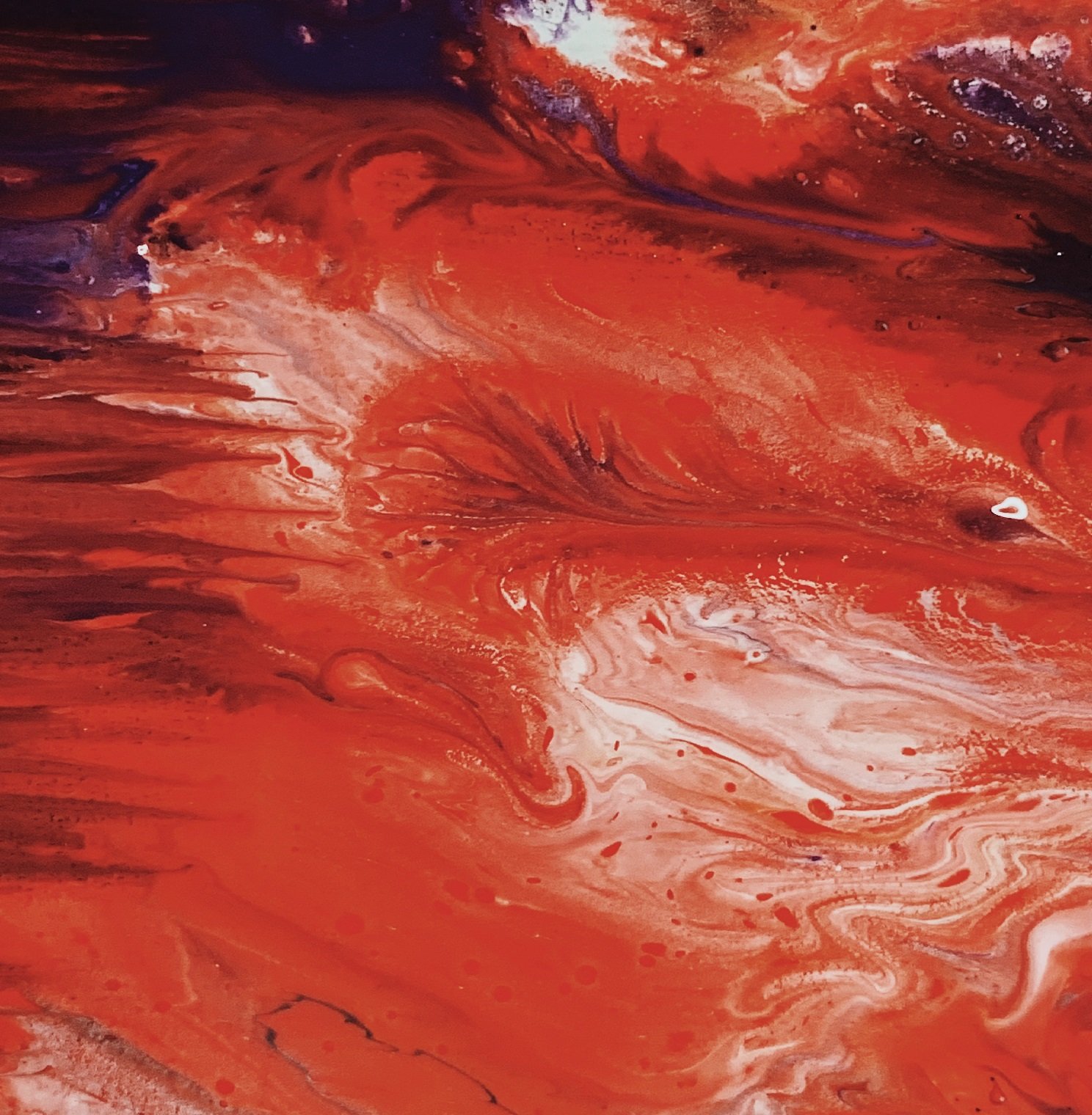
When it comes to album artwork, musicians and artists have always sought to create something visually captivating that compliments their sonic creations perfectly. One aspect of album art that often steals the show is the use of dyeing pigments. These vibrant colors add a new dimension to the overall aesthetic, leaving a lasting impression on listeners and fans. Dyeing pigments are a type of coloring substance that is often used in the creation of album artwork. They bring life and vibrancy to the visuals, enhancing the overall impact of the music. Artists have the freedom to play with a wide range of colors and techniques, allowing them to create stunning and unique album covers. One famous example of dyeing pigments in album art is Pink Floyd's iconic album "The Dark Side of the Moon." The cover features a prism dispersing light into a spectrum of colors, which perfectly encapsulates the psychedelic and progressive sound of the band. The vibrant hues blend seamlessly with the music, creating an immersive experience for the listener. Another artist known for their use of dyeing pigments is Salvador Dali. His collaboration with the rock band "The Moody Blues" on their album "Days of Future Passed" stands as a testament to the power of color. Dali's surrealist artwork combined with the use of intense pigments creates a visual feast that perfectly complements the orchestral arrangements of the album. Dyeing pigments offer artists an expressive medium to bring their music to life visually. These pigments come in various forms, including watercolors, acrylics, and digital techniques. Each artist has their own preference and style when it comes to incorporating dyeing pigments into their album artwork. Some artists might opt for a more abstract approach, using vibrant splashes of color to convey the emotions and energy of their music. Others might choose a more intricate and detailed design, utilizing dyeing pigments to highlight specific elements within the artwork. Regardless of the approach, the use of dyeing pigments in album art has become an integral part of the music industry. It enhances the listening experience, giving fans a visual journey to accompany the sound. It allows artists to express themselves in a way that extends beyond just the music, creating a cohesive and immersive package for their audience. In conclusion, the world of dyeing pigments in album art is a fascinating one. From Pink Floyd's prism to Salvador Dali's surrealism, artists have found unique and innovative ways to incorporate vibrant colors into their album covers. These pigments serve as a visual representation of the music, adding depth and excitement to the overall experience. So next time you listen to your favorite album, take a moment to appreciate the artistry and creativity behind the dyeing pigments that bring it to life. You can also Have a visit at http://www.albumd.com
Leave a Comment:
SEARCH
Recent News
- Zurich, Switzerland is a vibrant city known for its rich cultural scene and diverse music offerings. One unique aspect of Zurich's music scene is the presence of Sudanese music, which has found a home in the city's melting pot of cultures.
- Visiting Zurich, Switzerland, can be an enriching experience for music lovers from all corners of the world. While the city may not be the first place that comes to mind when thinking about South African music, Zurich's diverse music scene offers a glimpse into the vibrant sounds of this African nation.
- Zurich, Switzerland is a vibrant city known for its stunning architecture, picturesque landscapes, and rich culture. One aspect of Zurich's cultural scene that often goes under the radar is its regional music. The city and its surrounding areas are home to a diverse range of musical styles, reflecting the multiculturalism and artistic diversity of the region.
- Zurich, Switzerland: Discovering the Vibrant Norwegian Music Scene
- Zurich, Switzerland: A Hub for Estonian Music
- YouTube Content Creation and Translation: Bringing Sudanese Music to a Global Audience
- YouTube has become a powerful platform for content creators to share their work with a global audience. One area that has seen significant growth in recent years is the creation and translation of South African music content on the platform. South Africa has a rich and diverse musical landscape, ranging from traditional to modern genres, and YouTube has provided a space for South African artists to showcase their talent to the world.
- YouTube has become a popular platform for content creators to showcase their talents to a global audience. One area of YouTube content creation that has been gaining traction is regional music. With the ability to reach viewers all around the world, YouTube offers a unique opportunity for musicians and artists to share their culture and music with a diverse audience.
READ MORE
10 months ago Category :

Zurich, Switzerland is a vibrant city known for its rich cultural scene and diverse music offerings. One unique aspect of Zurich's music scene is the presence of Sudanese music, which has found a home in the city's melting pot of cultures.
Read More →10 months ago Category :

Visiting Zurich, Switzerland, can be an enriching experience for music lovers from all corners of the world. While the city may not be the first place that comes to mind when thinking about South African music, Zurich's diverse music scene offers a glimpse into the vibrant sounds of this African nation.
Read More →10 months ago Category :

Zurich, Switzerland is a vibrant city known for its stunning architecture, picturesque landscapes, and rich culture. One aspect of Zurich's cultural scene that often goes under the radar is its regional music. The city and its surrounding areas are home to a diverse range of musical styles, reflecting the multiculturalism and artistic diversity of the region.
Read More →10 months ago Category :
