Unleashing the Artistic Potential: Exploring the Intricate World of Dyeing Pigments in Album Cover Art
Category : | Sub Category : Posted on 2023-10-30 21:24:53
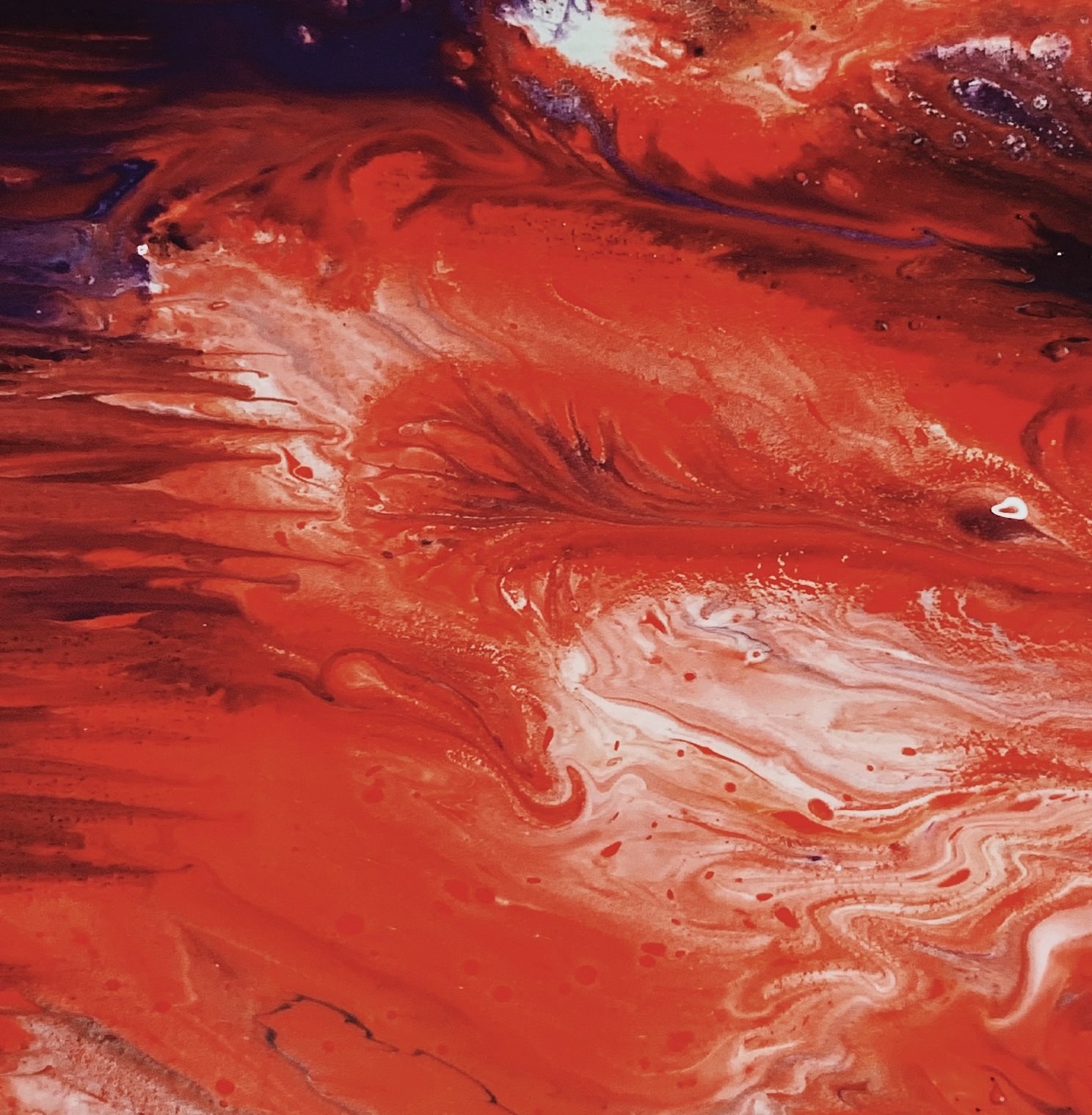
Album cover art holds a significant place in the music industry, often serving as a visual representation of the sounds and emotions encapsulated within. While illustrations, graphics, and photography have been widely used in album artwork, a lesser-known but equally captivating approach involves the use of dyeing pigments. In this article, we will embark on a journey to explore the intricate world of dyeing pigments in album cover art, delving into the creative process and the enchanting results it produces. Dyeing pigments offer a unique and dynamic way to bring album cover artwork to life. Through the careful manipulation of colors, textures, and shades, artists can create visuals that effortlessly complement the sonic experience. By working with dyes and pigments, artists can achieve effects that simply cannot be replicated through traditional mediums. One of the key advantages of dyeing pigments lies in their versatility and malleability. Artists can experiment with different techniques such as tie-dye, marbling, or even creating custom patterns to achieve stunning and individualized album covers. The interplay of vibrant colors or subtle gradients adds depth and character to the artwork, effectively capturing the essence of the music it represents. The process of incorporating dyeing pigments into album cover art involves several steps that require skill and artistic vision. It begins with selecting the appropriate materials, including the right dyes and fabrics that will interact harmoniously. Once the materials are chosen, artists employ various application methods such as hand-dyeing, screen printing, or airbrushing to create the desired visual impact. The unpredictable nature of dyeing pigments adds an element of surprise and excitement to the creative process. Each album cover becomes a unique piece of art, with no two designs being exactly the same. This element of individuality ensures that the artwork resonates with the artist's vision, as well as with the music it represents. While dyeing pigments may not be as widely explored in the realm of album cover art, their potential to captivate and inspire is limitless. They invite artists to explore new artistic avenues, encouraging them to push boundaries and transcend traditional norms. By embracing this unconventional medium, musicians and graphic designers have an opportunity to visually captivate their audience before they even hit play. Album cover art has long been appreciated for its ability to evoke emotions and convey messages. Through the innovative use of dyeing pigments, artists can take this sensory experience to a whole new level. The infusion of vibrant colors, the blending of textures, and the unpredictability of the medium all contribute to a captivating visual journey that strengthens the connection between the music and its listeners. In conclusion, dyeing pigments offer a captivating and unique approach to album cover art. Their ability to create stunning visuals that complement the music is unmatched. By experimenting with different colors, techniques, and application methods, artists can create album covers that are truly one-of-a-kind. So the next time you immerse yourself in a new musical release, take a moment to appreciate the labor of love that went into the dyeing pigments album cover art, and let it further enhance your musical experience. To get all the details, go through http://www.albumd.com
Leave a Comment:
SEARCH
Recent News
- Zurich, Switzerland is a vibrant city known for its rich cultural scene and diverse music offerings. One unique aspect of Zurich's music scene is the presence of Sudanese music, which has found a home in the city's melting pot of cultures.
- Visiting Zurich, Switzerland, can be an enriching experience for music lovers from all corners of the world. While the city may not be the first place that comes to mind when thinking about South African music, Zurich's diverse music scene offers a glimpse into the vibrant sounds of this African nation.
- Zurich, Switzerland is a vibrant city known for its stunning architecture, picturesque landscapes, and rich culture. One aspect of Zurich's cultural scene that often goes under the radar is its regional music. The city and its surrounding areas are home to a diverse range of musical styles, reflecting the multiculturalism and artistic diversity of the region.
- Zurich, Switzerland: Discovering the Vibrant Norwegian Music Scene
- Zurich, Switzerland: A Hub for Estonian Music
- YouTube Content Creation and Translation: Bringing Sudanese Music to a Global Audience
- YouTube has become a powerful platform for content creators to share their work with a global audience. One area that has seen significant growth in recent years is the creation and translation of South African music content on the platform. South Africa has a rich and diverse musical landscape, ranging from traditional to modern genres, and YouTube has provided a space for South African artists to showcase their talent to the world.
- YouTube has become a popular platform for content creators to showcase their talents to a global audience. One area of YouTube content creation that has been gaining traction is regional music. With the ability to reach viewers all around the world, YouTube offers a unique opportunity for musicians and artists to share their culture and music with a diverse audience.
READ MORE
10 months ago Category :

Zurich, Switzerland is a vibrant city known for its rich cultural scene and diverse music offerings. One unique aspect of Zurich's music scene is the presence of Sudanese music, which has found a home in the city's melting pot of cultures.
Read More →10 months ago Category :

Visiting Zurich, Switzerland, can be an enriching experience for music lovers from all corners of the world. While the city may not be the first place that comes to mind when thinking about South African music, Zurich's diverse music scene offers a glimpse into the vibrant sounds of this African nation.
Read More →10 months ago Category :

Zurich, Switzerland is a vibrant city known for its stunning architecture, picturesque landscapes, and rich culture. One aspect of Zurich's cultural scene that often goes under the radar is its regional music. The city and its surrounding areas are home to a diverse range of musical styles, reflecting the multiculturalism and artistic diversity of the region.
Read More →10 months ago Category :
