The Vibrant World of Dyeing Pigments in Arabic Art and Culture
Category : | Sub Category : Posted on 2023-10-30 21:24:53
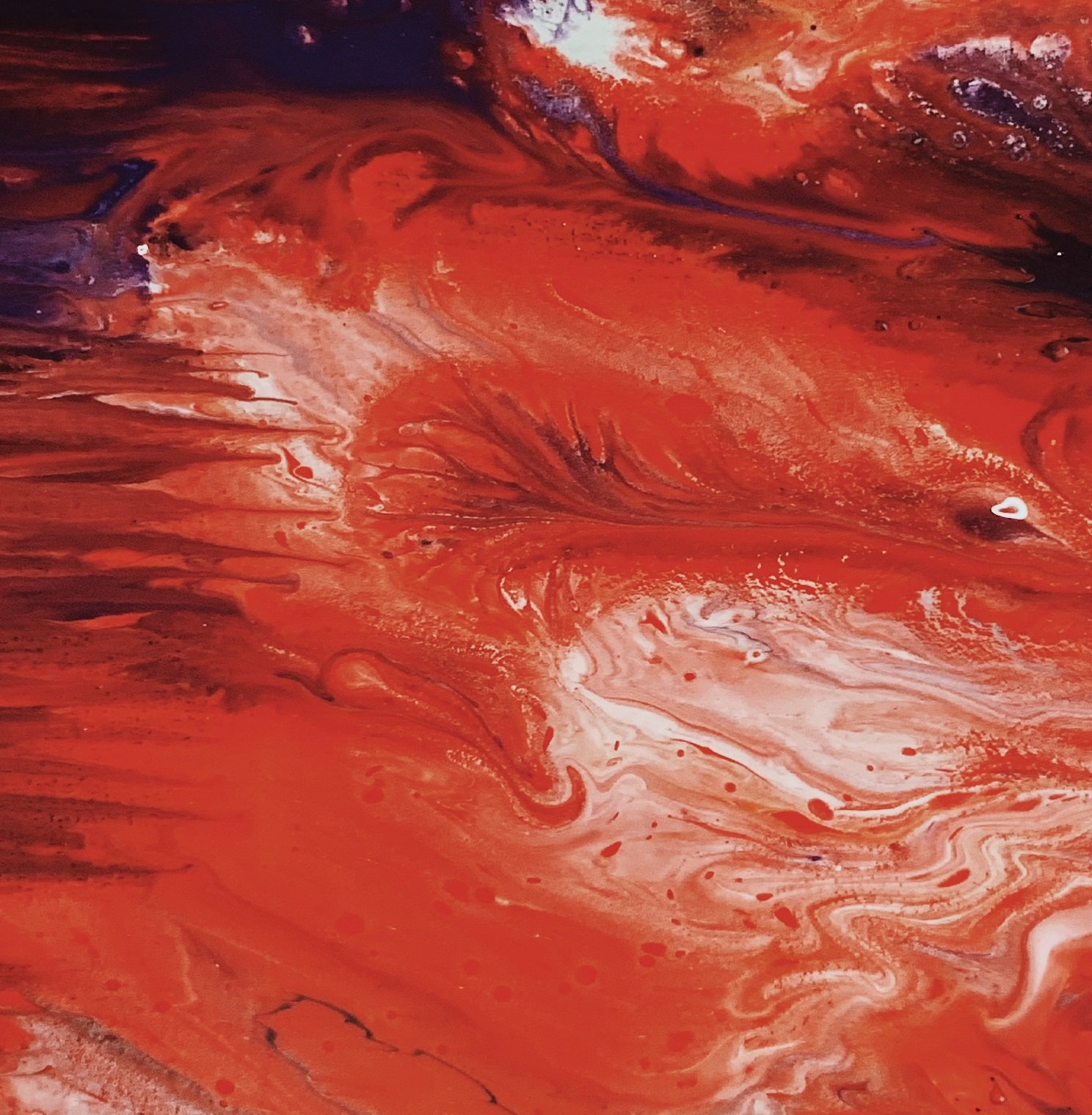
Introduction: Arabic art and culture have captivated the world for centuries with their rich history, intricate designs, and vibrant colors. One of the key elements that enhance the beauty of Arabic art is the use of dyeing pigments. Let's delve into the world of dyeing pigments in Arabic art and culture and explore how they have played an integral role in creating awe-inspiring masterpieces. 1. Historical Significance: Dyeing pigments hold immense historical significance in Arabic art and culture. The use of natural dyes can be traced back to ancient times when artisans would extract color from naturally occurring sources such as plants, minerals, and insects. These dyes were not only used for creating stunning pieces of art but also had symbolic meanings associated with different colors. 2. Natural Dyeing Techniques: Arabic artisans have mastered various natural dyeing techniques, which have been passed down through generations. One such technique is "mordant dyeing," where a mordant or a fixative is used to enhance color fastness and make the dye adhere to the fabric or surface. This technique allows for a wide range of colors and shades to be achieved, each with its unique charm. 3. The Power of Plant-Based Dyes: Plants have always been a primary source of dyes in Arabic art. Saffron, derived from the Crocus sativus flower, is highly valued for its brilliant yellow color and is used to create stunning golden hues. Indigo, obtained from the leaves of the Indigofera tinctoria plant, is another prized natural dye in Arabic art, known for its deep blue shade. Henna, derived from the Lawsonia inermis plant, is often used for intricate designs on both textiles and skin, showcasing the versatility of plant-based dyes. 4. The Enigma of Mineral Pigments: Mineral pigments have also found their way into Arabic art, adding a touch of mystery and allure. One such example is lapis lazuli, a vivid blue pigment derived from a semi-precious stone. Lapis lazuli has been used since ancient times to create decorative objects, illuminate manuscripts, or as a pigment for vibrant blue hues. Other mineral pigments like ochre, obtained from iron-rich earth, provide warm earthy tones that are frequently embraced in Arabic art. 5. Symbolism in Colors: Colors hold immense symbolism in Arabic art and culture. Each color evokes specific emotions and carries cultural connotations. For instance, green represents fertility and paradise, while blue symbolizes protection against the evil eye. Red is associated with passion and strength, and yellow represents joy and happiness. Understanding the symbolic meanings behind these colors deepens our appreciation for the intricate artwork created using dyeing pigments. Conclusion: Dyeing pigments have played an integral role in enhancing the beauty of Arabic art and culture. The expertise of artisans in extracting colors from natural sources and the symbolism attached to each shade has allowed for the creation of awe-inspiring masterpieces. Next time you admire an Arabic artwork, take a moment to appreciate the centuries-old tradition of using dyeing pigments, adding vibrancy and depth to the mesmerizing world of Arabic art and culture. For a fresh perspective, give the following a read http://www.onlinebanat.com
Leave a Comment:
SEARCH
Recent News
- Zurich, Switzerland is a vibrant city known for its rich cultural scene and diverse music offerings. One unique aspect of Zurich's music scene is the presence of Sudanese music, which has found a home in the city's melting pot of cultures.
- Visiting Zurich, Switzerland, can be an enriching experience for music lovers from all corners of the world. While the city may not be the first place that comes to mind when thinking about South African music, Zurich's diverse music scene offers a glimpse into the vibrant sounds of this African nation.
- Zurich, Switzerland is a vibrant city known for its stunning architecture, picturesque landscapes, and rich culture. One aspect of Zurich's cultural scene that often goes under the radar is its regional music. The city and its surrounding areas are home to a diverse range of musical styles, reflecting the multiculturalism and artistic diversity of the region.
- Zurich, Switzerland: Discovering the Vibrant Norwegian Music Scene
- Zurich, Switzerland: A Hub for Estonian Music
- YouTube Content Creation and Translation: Bringing Sudanese Music to a Global Audience
- YouTube has become a powerful platform for content creators to share their work with a global audience. One area that has seen significant growth in recent years is the creation and translation of South African music content on the platform. South Africa has a rich and diverse musical landscape, ranging from traditional to modern genres, and YouTube has provided a space for South African artists to showcase their talent to the world.
- YouTube has become a popular platform for content creators to showcase their talents to a global audience. One area of YouTube content creation that has been gaining traction is regional music. With the ability to reach viewers all around the world, YouTube offers a unique opportunity for musicians and artists to share their culture and music with a diverse audience.
READ MORE
10 months ago Category :

Zurich, Switzerland is a vibrant city known for its rich cultural scene and diverse music offerings. One unique aspect of Zurich's music scene is the presence of Sudanese music, which has found a home in the city's melting pot of cultures.
Read More →10 months ago Category :

Visiting Zurich, Switzerland, can be an enriching experience for music lovers from all corners of the world. While the city may not be the first place that comes to mind when thinking about South African music, Zurich's diverse music scene offers a glimpse into the vibrant sounds of this African nation.
Read More →10 months ago Category :

Zurich, Switzerland is a vibrant city known for its stunning architecture, picturesque landscapes, and rich culture. One aspect of Zurich's cultural scene that often goes under the radar is its regional music. The city and its surrounding areas are home to a diverse range of musical styles, reflecting the multiculturalism and artistic diversity of the region.
Read More →10 months ago Category :
