Exploring Dyeing Pigments: Unleashing the Artistic Potential of Color Combinations
Category : | Sub Category : Posted on 2023-10-30 21:24:53
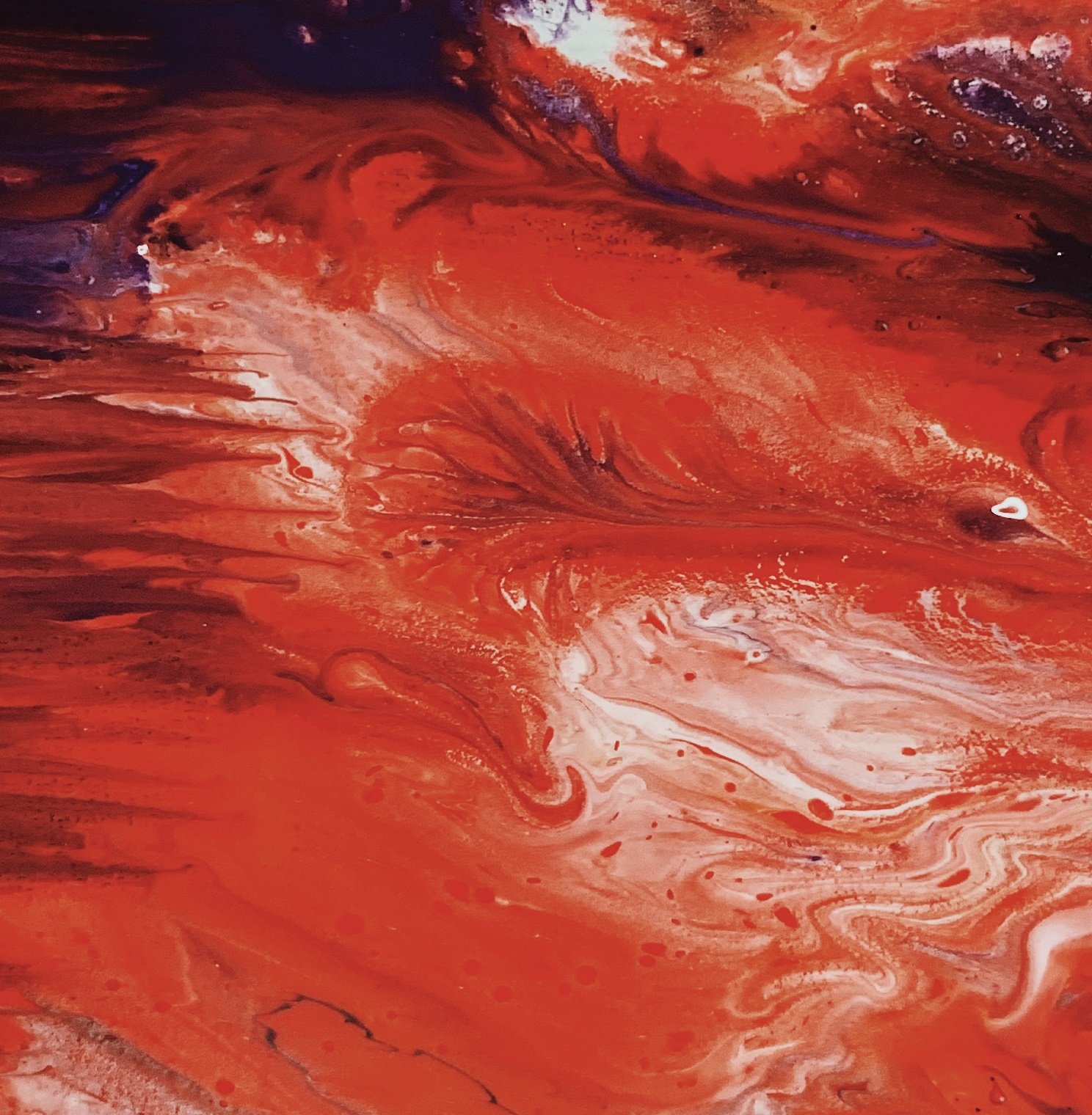
Introduction: Whether you're an artist, a fashion designer, or simply someone looking to brighten up your living space, dyeing pigments and color combinations can add a whole new dimension to your creative projects. With a wide array of pigments available, the possibilities for creating vibrant and unique color combinations are endless. In this blog post, we'll delve into the world of dyeing pigments and explore the art of color combinations, opening doors to your creativity like never before. Understanding Dyeing Pigments: Before diving into color combinations, it's crucial to understand the nature of dyeing pigments. Dyeing pigments are finely ground particles that produce color when applied to various materials, such as fabric, paper, or even hair. They come in a range of forms, including powders, liquids, and pastes, each offering different properties and results. Color Theory: The Foundation for Harmonious Combinations: To create visually pleasing and harmonious color combinations, it's essential to refer to color theory. Color theory is the study of how colors interact and how they can be combined to create specific moods and visual effects. Understanding the basics of color theory will empower you to experiment with different pigments and confidently develop stunning combinations. Complementary Color Combinations: One of the most popular ways to create dynamic color combinations is by using complementary colors. Complementary colors are pairs of hues that sit opposite each other on the color wheel. Examples of complementary color combinations include blue and orange, red and green, or yellow and purple. These combinations bring out the vibrancy in each color, creating impactful and eye-catching results. Analogous Color Combinations: For a more harmonious and soothing effect, you can explore analogous color combinations. Analogous colors are those found adjacent to each other on the color wheel. Mixing warm hues like red, orange, and yellow or cool tones such as blue, green, and purple in an analogous combination can create a sense of unity and balance in your projects. Triadic Color Combinations: Looking for a lively and balanced arrangement of colors? Triadic color combinations might be just what you need. Triadic colors are evenly spaced around the color wheel, resulting in a combination that typically includes one primary color (e.g., red, blue, or yellow) and its two equally spaced secondary colors (e.g., green, orange, or purple). This harmonious mix can add a touch of playfulness and energy to your artistic creation. Monochromatic Color Combinations: If you prefer a more subdued and elegant look, monochromatic color combinations are worth exploring. Monochromatic combinations involve using various shades, tones, and tints of a single color. This technique can create depth and sophistication, adding a touch of simplicity and sophistication to your projects. Experimenting with Unique Color Combinations: While understanding various color combinations can act as a helpful guide, don't be afraid to experiment and create your own unique combinations. The beauty of art lies in its ability to channel your individual creativity. Allow yourself to explore unconventional pairings, mixing unexpected hues and adding your own personal touch to your projects. Conclusion: With dyeing pigments and color combinations, you hold the power to unlock endless artistic possibilities. By exploring the fundamentals of color theory and tapping into your creative instincts, you can create stunning and unique designs that reflect your personal style. So, go ahead and embark on this colorful journey, allowing the world of dyeing pigments to inspire and ignite your imagination like never before. to Get more information at http://www.colorsshow.com
Leave a Comment:
SEARCH
Recent News
- Zurich, Switzerland is a vibrant city known for its rich cultural scene and diverse music offerings. One unique aspect of Zurich's music scene is the presence of Sudanese music, which has found a home in the city's melting pot of cultures.
- Visiting Zurich, Switzerland, can be an enriching experience for music lovers from all corners of the world. While the city may not be the first place that comes to mind when thinking about South African music, Zurich's diverse music scene offers a glimpse into the vibrant sounds of this African nation.
- Zurich, Switzerland is a vibrant city known for its stunning architecture, picturesque landscapes, and rich culture. One aspect of Zurich's cultural scene that often goes under the radar is its regional music. The city and its surrounding areas are home to a diverse range of musical styles, reflecting the multiculturalism and artistic diversity of the region.
- Zurich, Switzerland: Discovering the Vibrant Norwegian Music Scene
- Zurich, Switzerland: A Hub for Estonian Music
- YouTube Content Creation and Translation: Bringing Sudanese Music to a Global Audience
- YouTube has become a powerful platform for content creators to share their work with a global audience. One area that has seen significant growth in recent years is the creation and translation of South African music content on the platform. South Africa has a rich and diverse musical landscape, ranging from traditional to modern genres, and YouTube has provided a space for South African artists to showcase their talent to the world.
- YouTube has become a popular platform for content creators to showcase their talents to a global audience. One area of YouTube content creation that has been gaining traction is regional music. With the ability to reach viewers all around the world, YouTube offers a unique opportunity for musicians and artists to share their culture and music with a diverse audience.
READ MORE
10 months ago Category :

Zurich, Switzerland is a vibrant city known for its rich cultural scene and diverse music offerings. One unique aspect of Zurich's music scene is the presence of Sudanese music, which has found a home in the city's melting pot of cultures.
Read More →10 months ago Category :

Visiting Zurich, Switzerland, can be an enriching experience for music lovers from all corners of the world. While the city may not be the first place that comes to mind when thinking about South African music, Zurich's diverse music scene offers a glimpse into the vibrant sounds of this African nation.
Read More →10 months ago Category :

Zurich, Switzerland is a vibrant city known for its stunning architecture, picturesque landscapes, and rich culture. One aspect of Zurich's cultural scene that often goes under the radar is its regional music. The city and its surrounding areas are home to a diverse range of musical styles, reflecting the multiculturalism and artistic diversity of the region.
Read More →10 months ago Category :
