Exploring the Vibrant World of Urdu Dyeing Pigments
Category : | Sub Category : Posted on 2023-10-30 21:24:53
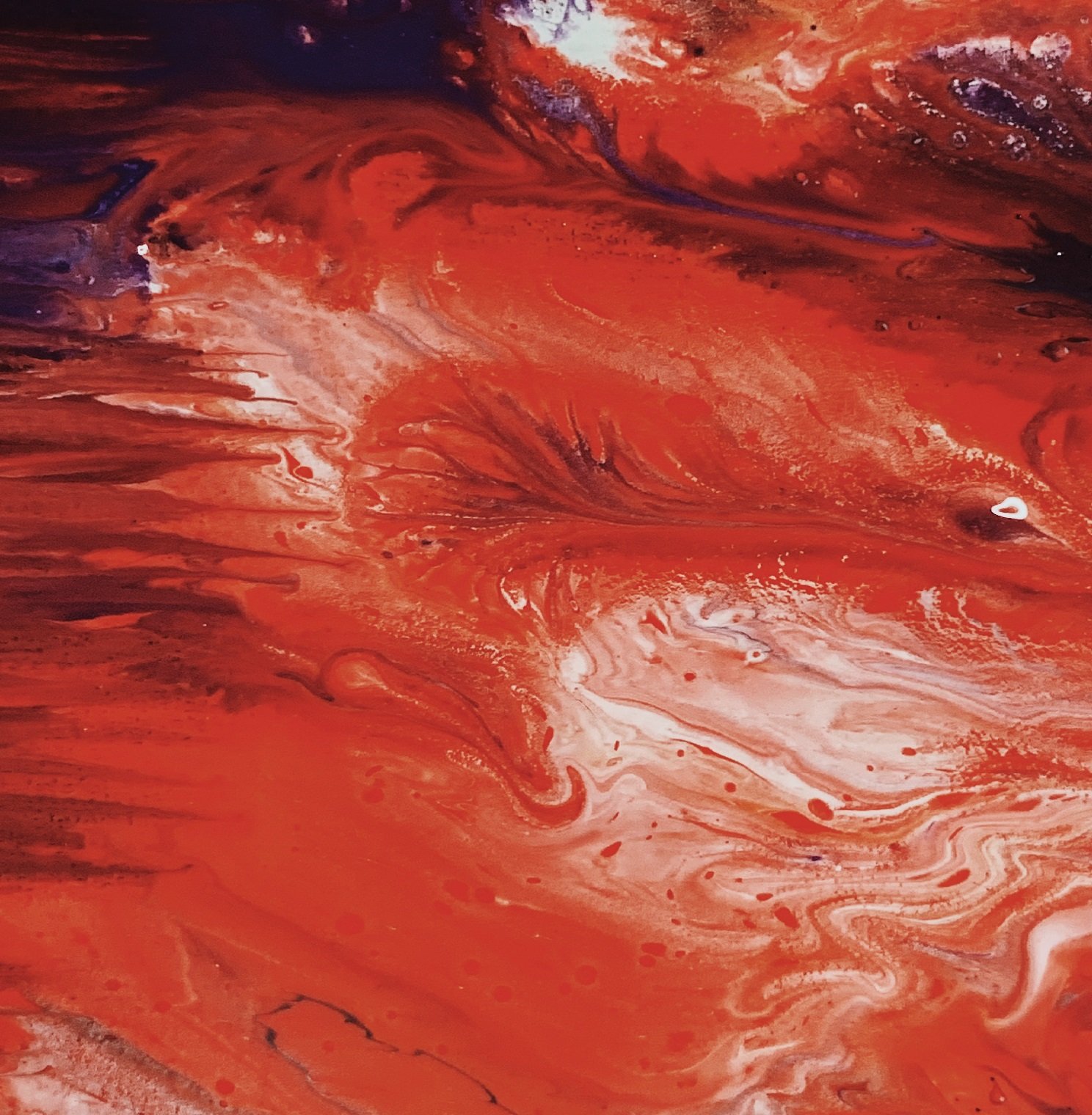
Introduction: Urdu dyeing pigments have a rich history rooted in the traditions of South Asia. These pigments are renowned for their deep, vibrant colors and are widely used in various art forms, textiles, and handicrafts. In this blog post, we will delve into the fascinating world of Urdu dyeing pigments, their origins, and the techniques used to create these stunning hues. 1. Understanding Urdu Dyeing Pigments: Urdu dyeing pigments are natural dyes derived from various sources such as plants, animals, and minerals. These pigments are known for their eco-friendly properties, as they are generally made from renewable sources without the use of harsh chemicals. What sets Urdu dyeing pigments apart is the unique blend of hues that can be achieved through careful combinations and techniques. 2. A Glimpse into History: The art of Urdu dyeing pigment has a long-standing history that dates back centuries. The ancient civilizations of the Indian subcontinent were known for their mastery in dyeing textiles with vibrant colors. These techniques were passed down through generations, blending with cultural influences along the way. 3. Key Urdu Dyeing Pigments: a. Henna: Henna, commonly known as "Mehndi," is one of the most widely used Urdu dyeing pigments. It gives a rich reddish-brown color to fabrics, and its intricate designs have become a popular form of body art. b. Indigo: Indigo is another prominent Urdu dyeing pigment that produces a deep blue color. It is extracted from the leaves of the indigo plant and has been used in South Asian textiles for centuries. c. Lac: Lac is a red pigment obtained from the insects that inhabit certain trees. It is used to create shades of red and has been a significant dyeing pigment in Urdu traditions. d. Madder: Madder is a plant-based dye that yields shades of red and pink. It has been used for centuries in Urdu dyeing for its ability to produce long-lasting and vibrant colors. 4. Traditional Techniques of Urdu Dyeing: Urdu dyeing involves a variety of techniques to achieve different patterns and effects. Some of the commonly used techniques include: a. Block Printing: This method involves carving intricate patterns onto wooden blocks and then stamping them onto fabric using Urdu dyeing pigments. b. Tie-Dye: Also known as "Bandhani" or "Shibori," this technique involves tying fabric in specific patterns before applying dye, resulting in mesmerizing designs. c. Batik: Batik is a technique where a pattern is created by applying wax on the fabric before dyeing. The wax resists the dye, resulting in unique designs. 5. Contemporary Applications: Urdu dyeing pigments are no longer limited to traditional textiles; their versatility has led to their adoption in modern art, fashion, and interior design. Artists and designers are finding innovative ways to incorporate these vibrant hues into their creations, resulting in unique and visually striking pieces. Conclusion: Urdu dyeing pigments continue to captivate and inspire artists, designers, and craftsmen worldwide. The rich history, sustainable nature, and diverse range of colors make these pigments a cherished part of South Asian culture. Whether it's a beautifully block-printed textile, a striking artwork, or a fashionable ensemble, Urdu dyeing pigments add a touch of authenticity and cultural significance to any creation. So, let your imagination run wild and explore the vibrant world of Urdu dyeing pigments! sources: http://www.uurdu.com
Leave a Comment:
SEARCH
Recent News
- Zurich, Switzerland is a vibrant city known for its rich cultural scene and diverse music offerings. One unique aspect of Zurich's music scene is the presence of Sudanese music, which has found a home in the city's melting pot of cultures.
- Visiting Zurich, Switzerland, can be an enriching experience for music lovers from all corners of the world. While the city may not be the first place that comes to mind when thinking about South African music, Zurich's diverse music scene offers a glimpse into the vibrant sounds of this African nation.
- Zurich, Switzerland is a vibrant city known for its stunning architecture, picturesque landscapes, and rich culture. One aspect of Zurich's cultural scene that often goes under the radar is its regional music. The city and its surrounding areas are home to a diverse range of musical styles, reflecting the multiculturalism and artistic diversity of the region.
- Zurich, Switzerland: Discovering the Vibrant Norwegian Music Scene
- Zurich, Switzerland: A Hub for Estonian Music
- YouTube Content Creation and Translation: Bringing Sudanese Music to a Global Audience
- YouTube has become a powerful platform for content creators to share their work with a global audience. One area that has seen significant growth in recent years is the creation and translation of South African music content on the platform. South Africa has a rich and diverse musical landscape, ranging from traditional to modern genres, and YouTube has provided a space for South African artists to showcase their talent to the world.
- YouTube has become a popular platform for content creators to showcase their talents to a global audience. One area of YouTube content creation that has been gaining traction is regional music. With the ability to reach viewers all around the world, YouTube offers a unique opportunity for musicians and artists to share their culture and music with a diverse audience.
READ MORE
11 months ago Category :

Zurich, Switzerland is a vibrant city known for its rich cultural scene and diverse music offerings. One unique aspect of Zurich's music scene is the presence of Sudanese music, which has found a home in the city's melting pot of cultures.
Read More →11 months ago Category :

Visiting Zurich, Switzerland, can be an enriching experience for music lovers from all corners of the world. While the city may not be the first place that comes to mind when thinking about South African music, Zurich's diverse music scene offers a glimpse into the vibrant sounds of this African nation.
Read More →11 months ago Category :

Zurich, Switzerland is a vibrant city known for its stunning architecture, picturesque landscapes, and rich culture. One aspect of Zurich's cultural scene that often goes under the radar is its regional music. The city and its surrounding areas are home to a diverse range of musical styles, reflecting the multiculturalism and artistic diversity of the region.
Read More →11 months ago Category :
